
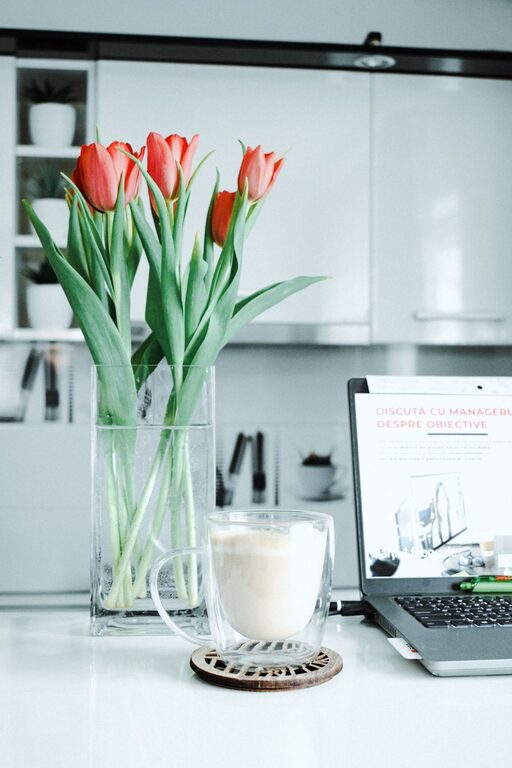
Creating a relaxing home workspace is essential for maintaining focus and boosting productivity, especially as many people continue to work remotely or spend more time on personal projects. A well-designed workspace can reduce stress, limit distractions, and make it easier to stay motivated. In this post, we’ll explore practical tips to help you create a calm and productive environment right in your home.
Why a Relaxing Workspace Matters
Your workspace influences your mindset and work habits more than you may realize. A cluttered or distracting environment can lead to stress and fatigue, while a peaceful, well-organized space encourages concentration and creativity. When you feel relaxed, your brain is more capable of focusing on tasks and producing quality work.
Choosing the Right Location
Find a Dedicated Spot
Ideally, select a space in your home exclusively for work. This helps your brain associate that spot with productivity and focus. If space is limited, even a small nook or a particular corner of a room can work.
Consider Natural Light
Natural light has a positive effect on mood and alertness. Set up your workspace near a window when possible. If natural light is scarce, use bright, warm lighting to mimic daylight and reduce eye strain.
Designing for Comfort and Function
Invest in Ergonomic Furniture
A comfortable chair and desk at the correct height prevent aches and promote better posture. Adjustable chairs and desks can adapt to your body’s needs throughout the day.
Keep Essentials Within Reach
Organize your desk so that frequently used items—like pens, notebooks, or your computer mouse—are easily accessible. This reduces distractions from searching for things and keeps your workflow smooth.
Declutter for Mental Clarity
Minimize Desk Clutter
Keep only the essentials on your desk. Use trays, drawers, or organizers to store items you don’t need constantly. A tidy desk helps reduce mental distractions.
Digital Decluttering
Organize your computer files and clear your desktop. A chaotic digital workspace can be just as distracting as a physical one.
Incorporate Calming Elements
Add Plants
Houseplants can improve air quality and introduce a calming natural element to your space. Even a small succulent can make a difference in ambiance.
Use Soft Colors
Choose soothing wall colors or desk accessories in calming shades like blues, greens, or neutrals. These colors can reduce visual stress and promote relaxation.
Include Personal Touches
Adding photos, art, or meaningful objects can make your space feel welcoming without overwhelming it. The key is balance.
Manage Sound and Distractions
Use Noise-Canceling Headphones
If your environment tends to be noisy, noise-canceling headphones can help you concentrate and maintain a peaceful atmosphere.
Play Soothing Background Music
Instrumental or ambient music can improve focus. Experiment with different playlists to find what works best for you.
Establish Clear Boundaries
Set Work Hours
Define your working schedule and communicate it to family or housemates. Clear boundaries help minimize interruptions.
Create a “Start Work” Routine
Develop rituals that signal the beginning of your workday, such as brewing a cup of tea or arranging your desk. This helps your mind shift into work mode.
Take Regular Breaks
Use Breaks to Recharge
Short breaks improve productivity and reduce burnout. Use these moments to stretch, meditate, or step outside for fresh air.
Adjust the Workspace as Needed
Periodically reassess your workspace comfort and functionality. Small changes can keep your environment fresh and effective.
Conclusion
Designing a relaxing home workspace is about creating a space that supports your concentration, reduces stress, and suits your personal needs. By choosing the right location, keeping your area neat, incorporating calming elements, and setting clear boundaries, you can transform your home workspace into a productivity haven. Give yourself the gift of a thoughtfully designed workspace and enjoy the benefits of a more focused and enjoyable workday.
About the Author