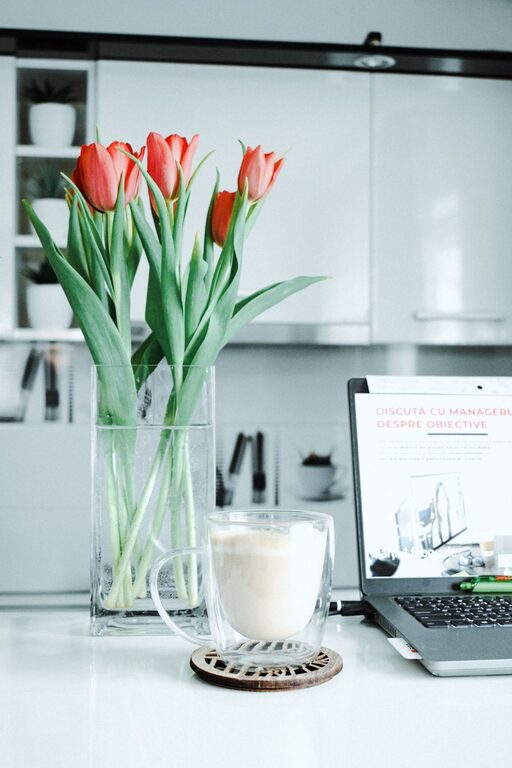
Creating a cozy and functional home workspace is essential for anyone who works from home or needs a quiet place to focus. A well-designed area can boost your productivity, reduce stress, and make working from home much more enjoyable. Whether you have a small corner or a separate room, these tips will help you create a space that feels inviting and supports your daily tasks.
Choose the Right Location
The first step in setting up a workspace is selecting the best spot in your home. Ideally, pick a quiet area with minimal distractions and good natural light. A place near a window can provide fresh air and sunshine, both of which improve mood and focus.
If space is limited, look for underused areas such as a nook in the living room, a guest room, or even a section of your bedroom. Avoid setting up in noisy, high-traffic areas to maintain concentration during work hours.
Invest in Comfortable Seating
Your chair is one of the most important pieces of furniture in your workspace. Choose an ergonomic chair that supports your posture to avoid discomfort or injury during long work sessions. Look for features like adjustable height, lumbar support, and cushioned seating.
If you don’t have an office chair, adding a plush cushion to a sturdy chair can improve comfort. Remember, cozy doesn’t mean compromising on ergonomics—both comfort and support are key.
Organize for Efficiency
Clutter can be a major distraction. Keep your desk tidy and organized by using storage solutions like shelves, drawers, or desk organizers. Here are some ideas to help you stay organized:
– Use trays or boxes for loose items like pens, paper clips, or sticky notes
– Install wall shelves or a pegboard to keep things off your desk surface
– Use cable management tools to keep cords neat and out of the way
– Keep only essential items on your desk to maintain focus
Good organization helps you find what you need quickly and creates a calming environment.
Personalize Your Space
Adding personal touches makes your workspace feel welcoming and enjoyable. Incorporate items that inspire you, such as:
– Plants or small greenery to add life and improve air quality
– Artwork, photos, or motivational quotes that uplift your mood
– Soft textiles like a cozy throw blanket or a cushion to add warmth
While personalizing, keep everything balanced to avoid clutter and distraction.
Pay Attention to Lighting
Lighting can impact your productivity and comfort dramatically. Natural light is ideal, but also consider these tips for artificial lighting:
– Use a desk lamp with adjustable brightness to reduce eye strain
– Choose light bulbs with a color temperature that mimics daylight for alertness
– Avoid glare on your screen by controlling window shades or repositioning your desk
Good lighting keeps your eyes comfortable and helps you stay focused throughout the day.
Maximize Desk Space
Your desk should fit your workflow. If you use multiple devices or paper documents, consider a larger desk or one with extra shelves. If space is tight, try multi-purpose furniture:
– A foldable desk that can be tucked away when not in use
– A desk with built-in storage to keep essentials close yet hidden
– Wall-mounted desks for very small areas
Be mindful of keeping enough free space on your desk for writing or other activities.
Manage Noise Levels
Noise can negatively affect concentration. If your workspace is near noisy areas, try these solutions:
– Use noise-cancelling headphones to block out distractions
– Play soft background music or white noise to improve focus
– Add rugs, curtains, or cushions to absorb sound and reduce echo
Creating a quiet environment helps you maintain better focus and productivity.
Keep Your Workspace Clean
Regularly cleaning your workspace helps maintain a fresh and inviting atmosphere. Dust your desk, keyboard, and shelves often, and wipe down surfaces to avoid buildup. A clean space encourages a clear mind and signals that your workspace is a dedicated place for work.
Take Breaks and Move
Even a cozy and functional workspace can become tiring without breaks. Set reminders to stand up, stretch, or walk briefly every hour. This not only helps your body but also refreshes your mind for better work quality.
—
Creating a workspace that balances comfort and functionality may take some experimentation. Remember to adjust your setup as you discover what works best for your needs. With a thoughtful approach, your home workspace can become a place you enjoy and where you can accomplish your best work.
About the Author