Creating a home office that is both comfortable and productive can make a significant difference in how you work and feel throughout the day. Whether you’re new to working from home or looking to improve your current setup, these tips will help you design a space that supports focus, comfort, and efficiency.
Choose the Right Location
Selecting the best spot for your home office is the foundation of a productive workspace. Consider these factors when deciding where to set up:
– Quiet environment: Pick a location with minimal noise and distractions to help you concentrate.
– Natural light: Aim for a spot near a window to take advantage of natural daylight, which boosts mood and alertness.
– Privacy: Ensure your work area allows for privacy, especially if you live with others or have family at home.
If space is limited, a corner of a room or even a dedicated nook can work well if arranged thoughtfully.
Invest in Ergonomic Furniture
Comfort is key to working productively for long periods. Ergonomic furniture supports good posture and reduces strain.
– Ergonomic chair: Choose a chair with lumbar support, adjustable height, and comfortable cushioning.
– Desk: Pick a desk that fits your space and allows you to maintain a proper sitting posture. Standing desks or adjustable desks are great for switching positions.
– Monitor placement: The top of your screen should be at eye level to avoid neck strain. Use monitor stands if necessary.
Spending on quality furniture can pay off by improving comfort and preventing aches.
Organize Your Space Efficiently
Clutter leads to distractions. Keeping your workspace organized helps maintain focus.
– Storage solutions: Use shelves, drawers, and organizers to keep supplies neat and accessible.
– Cable management: Use clips, ties, or a cable box to keep cords tidy and prevent tangling.
– Daily tidying: Spend a few minutes each day clearing your desk to start and finish work with a clean environment.
An organized workspace encourages productivity and reduces stress.
Personalize for Inspiration
Add personal touches to make your office inviting without overdoing it.
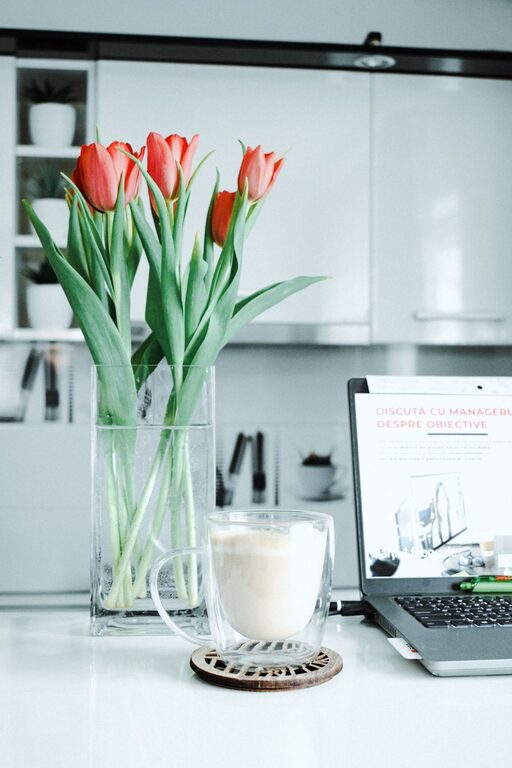
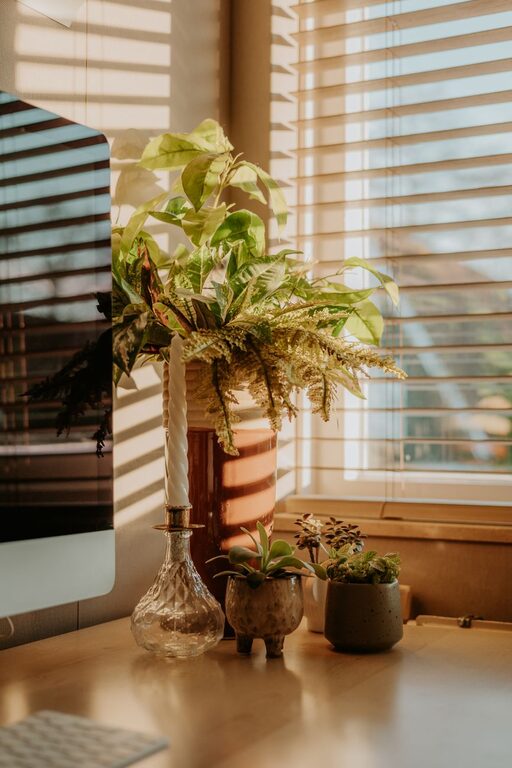
– Plants: A few green plants can improve air quality and add a relaxing vibe.
– Artwork: Choose calming or motivational art that inspires you.
– Lighting: Combine natural light with adjustable task lighting, such as a desk lamp, to reduce eye strain.
Personalization creates a space you’ll enjoy spending time in.
Manage Technology Wisely
Modern work relies on technology, but it can also be a source of frustration if not set up properly.
– Reliable internet: Ensure your Wi-Fi or wired connection is stable and fast enough for your needs.
– Tools and accessories: Use quality keyboards, mice, and headphones to improve comfort and communication.
– Backup plan: Have backup options like a secondary device or extra chargers to avoid downtime.
Regularly updating and maintaining your tech equipment keeps your workflow smooth.
Establish Boundaries and Routine
A productive home office isn’t just about the physical space but also about habits.
– Set working hours: Define clear start and end times to balance work and home life.
– Breaks: Incorporate short breaks to rest your eyes and stretch.
– Minimize distractions: Inform family or housemates about your schedule to reduce interruptions.
Creating routines helps your brain associate the space with work, improving focus.
Focus on Air Quality and Comfort
Good air and temperature improve comfort and alertness.
– Ventilation: Open windows when possible to let in fresh air.
– Air purifier: Consider an air purifier if your space is prone to dust or allergens.
– Temperature control: Use a fan, heater, or thermostat to keep the room at a comfortable temperature.
Comfortable air quality supports well-being during long workdays.
Keep It Flexible
Your work needs and habits may change. Design your space to adapt:
– Modular furniture: Use items that can be easily moved or reconfigured.
– Multiple work zones: Create areas for different tasks, such as computer work, reading, or planning.
– Storage mobility: Use rolling carts or portable organizers for flexibility.
A flexible setup helps you stay productive as requirements evolve.
—
Designing a home office that balances comfort and productivity takes thought and effort, but the benefits are well worth it. By choosing a suitable location, investing in ergonomic furniture, organizing efficiently, personalizing your space, managing technology, setting boundaries, focusing on air quality, and keeping flexibility in mind, you can create an environment where you thrive every day. Try these tips to turn your home office into a place you look forward to working in.
About the Author