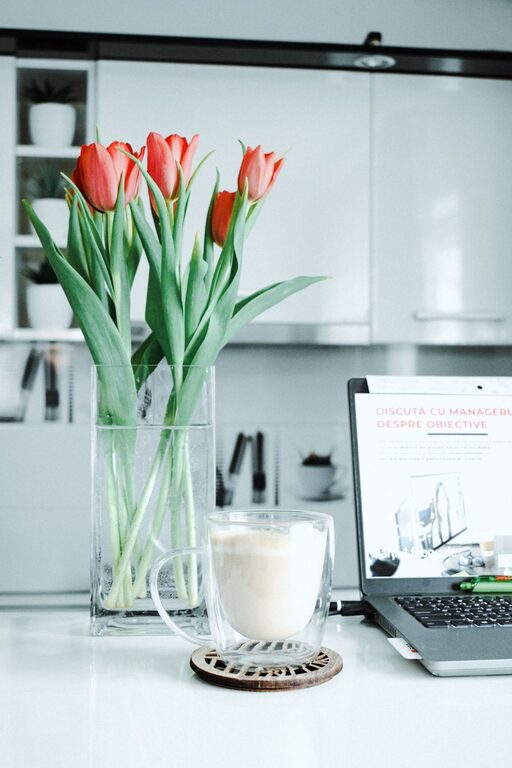
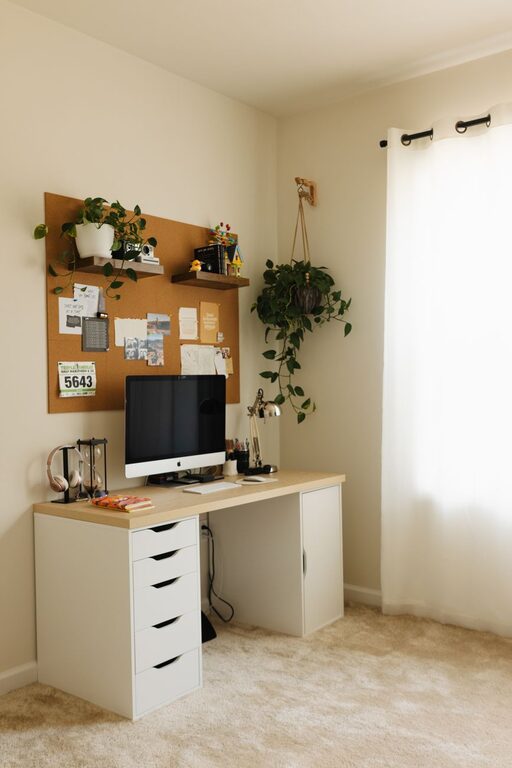
Creating a home workspace that combines coziness and productivity can make a significant difference in your work experience. Whether you’re working remotely, freelancing, or simply need a dedicated area for personal projects, setting up the right environment is key.
In this article, we’ll explore practical tips to help you design a home workspace that feels welcoming and supports your best work.
Why a Cozy Workspace Matters
A comfortable workspace can improve your mood, reduce stress, and help you stay focused for longer periods. When your environment feels inviting, it’s easier to maintain motivation and avoid distractions.
By balancing comfort with functionality, you can create a space where work feels less like a chore and more like an enjoyable part of your day.
Choose the Right Location
Picking the best place for your workspace is the first step:
– Natural light: Aim for a spot with plenty of natural sunlight. It boosts energy and reduces eye strain.
– Low traffic area: Find a quiet corner away from household distractions.
– Adequate space: Make sure there’s enough room for your desk, chair, and any equipment.
If space is limited, consider creative solutions like a fold-down desk or using a corner of a room.
Invest in Comfortable Seating
Your chair is one of the most important elements in your workspace:
– Ergonomics: Choose a chair that supports good posture with adjustable height and lumbar support.
– Cushioning: Comfortable padding can prevent soreness during long work sessions.
– Mobility: Wheels or swivel features help you move around effortlessly.
A quality chair can dramatically improve your comfort and reduce fatigue.
Optimize Your Desk Setup
A well-organized desk supports efficiency:
– Proper height: Your desk should allow your arms to rest comfortably at a 90-degree angle.
– Declutter: Keep only essentials on your desk to minimize distractions.
– Storage: Use organizers, drawers, or shelves to keep supplies tidy and within reach.
– Dual monitors or laptop stands: If you frequently multitask, these tools can enhance your workflow.
Remember that a tidy workspace promotes clear thinking and reduces stress.
Personalize to Boost Comfort
Adding personal touches to your workspace can make it more inviting:
– Plants: Small indoor plants bring life and help purify the air.
– Artwork or photos: Visual elements that inspire or calm you can create a positive atmosphere.
– Soft lighting: In addition to natural light, consider warm desk lamps or fairy lights to reduce harsh glare.
– Cozy textiles: A soft rug or throw blanket can increase comfort, especially in colder months.
Personalizing your space helps you feel more connected and motivated.
Minimize Distractions
A productive space should limit interruptions:
– Noise control: Use noise-cancelling headphones or white noise machines if you’re in a noisy area.
– Digital declutter: Turn off non-essential notifications and organize your desktop.
– Dedicated work hours: Establish boundaries with family or housemates about your work times.
Creating a routine and environment that signals “work time” can help maintain focus.
Prioritize Good Lighting
Proper lighting reduces eye strain and enhances mood:
– Natural light: Position your desk near windows when possible.
– Ambient lighting: Use overhead lights or floor lamps to brighten the room.
– Task lighting: Adjustable desk lamps focused on your work area are ideal for detail-oriented tasks.
Avoid harsh fluorescent lights or glare on your screen to protect your eyes.
Keep Air Quality and Temperature Comfortable
Your comfort also depends on the room’s air quality and temperature:
– Ventilation: Open windows periodically to refresh the air.
– Air purifiers: Consider these if you have allergies or live in a polluted area.
– Temperature control: Use fans, heaters, or humidifiers to maintain a comfortable climate.
A fresh, comfortable environment can enhance concentration and well-being.
Establish Organizational Systems
Staying organized prevents clutter buildup and saves time:
– Daily to-do lists: Keep a planner or digital app to track tasks.
– Filing systems: Sort documents and bills regularly to avoid piles.
– Cable management: Use clips or sleeves to keep cords neat and out of the way.
Consistency in organization helps maintain a stress-free workspace.
Take Breaks and Move
Even with the best workspace, breaks are essential:
– Stretch regularly: This helps reduce muscle stiffness and improves circulation.
– Change your environment: Step outside for fresh air or relax in another room.
– Use a standing desk: Consider alternating between sitting and standing to stay energized.
Balancing work with movement supports overall productivity and health.
Final Thoughts
Creating a cozy and productive home workspace takes some planning, but the benefits are well worth it. By carefully choosing your location, furniture, lighting, and organization strategies, you can build an environment that encourages focus and comfort. Personalize your space to make it truly yours, and remember to take breaks to recharge.
With these tips in mind, your home workspace can become a place where you feel inspired and ready to get things done every day.
About the Author